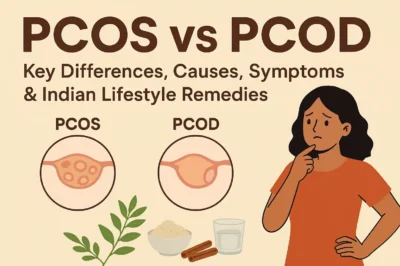
PCOS and PCOD are two of the most common medical conditions among women these days. Are they really different from each other? Aren’t they the same?
Just like you, many people think that PCOS and PCOD are the same, but let me make it clear to you that they are poles apart.
Now, you may wonder what is PCOS and PCOD? And what difference do these two have?
Read this blog to know the right answer to your queries regarding PCOS and PCOD.
What Is PCOS and PCOD?
Before we go ahead with this blog on understanding the difference between PCOS and PCOD, let’s see what they actually are. Are they just some normal hormonal issues or something much more than that? Let’s find out.
Before we talk about the difference between PCOS and PCOD, let’s understand what each one means.
What is PCOS?
PCOS (Polycystic Ovary Syndrome) is a lifestyle disorder that is rare in women and occurs in some women. In PCOS, women face:
- Disruption of hormonal harmony that leads to abnormal functioning of the ovaries.
- Your body starts producing more androgens (male hormones) than normal, leading to facial hair growth.
- This can lead to missed periods, irregular ovulation, and tiny fluid-filled sacs (cysts) in the ovaries.
Common signs of PCOS include:
- Not getting your menstrual cycle for months
- Fertility Issues
- Weight fluctuation
- Growing of excess hair on the face or body.
- Excess hair fall
- Acne or oily skin
- Mood swings
What is PCOD?
PCOD (Polycystic Ovarian Disease) is more common than PCOS or any other medical condition. PCOD is also a lifestyle medical condition just like PCOS. Women with PCOD often experience:
- Ovaries producing immature eggs that turn into cysts.
- Unlike PCOS, it’s not always a hormonal disorder, but more of a lifestyle and diet-related condition in many cases.
- Having enlarged ovaries that cause partially mature egg production, resulting in menstrual irregularities.
Common signs of PCOD include:
- Irregular periods
- Mild weight gain
- Occasional fertility issues
- Mild acne or hair growth
What Causes PCOS and PCOD?
What is the reason behind PCOS and PCOD? Well, there are no clear reasons that cause this, but there are numerous factors that can lead to PCOS or PCOD.
What causes PCOS:
- When your body is unable to use the insulin properly, it raises blood sugar levels in the body
- Producing excess androgen, which is a male hormone.
- If your mother or one of your grandmothers has a history of having PCOS, then chances are very high that you will also have it.
- An unhealthy lifestyle causes inflammation in the body.
What causes PCOD:
- Eating too much sugar, junk, fried, and processed food.
- Doing less or no physical work or avoiding exercise.
- Rising stress hormone cortisol in the body.
- Hormonal fluctuations due to weight changes or lifestyle
- Sometimes genetics
In India, late-night eating, high-carb diets (think: parathas, white rice, fried snacks), and irregular sleep are common lifestyle triggers for both PCOS and PCOD.
Why It Matters to Know the Difference
Regardless of popular belief, PCOS and PCOD are two different conditions and have completely different effects on a woman’s body. Here are some of the common reasons why you should never be confused about them:
- Treatment approach changes — PCOS may require hormonal therapy, while PCOD might just need lifestyle adjustments.
- Fertility planning — PCOS may require more medical help if you want to conceive, whereas many women with PCOD can conceive naturally.
- Long-term health risks — PCOS increases risks of diabetes and heart disease more than PCOD.
Read More: पीरियड में पेट दर्द से राहत के 7 आसान घरेलू उपाय
Indian Lifestyle & Home Remedies for PCOS and PCOD
If you have PCOS or PCOD, your doctor will guide you on what you should do to be fine. But if you are stressed and want some natural advice, here are some tips for you to help you manage these conditions:
Diet Tips
- Cut refined carbs — swap white rice for brown rice or millets like jowar, bajra, or ragi.
- Add protein — dal, chana, eggs, paneer, chicken, fish.
- Include healthy fats — ghee in moderation, nuts, seeds.
- Load up on veggies — especially green leafy ones.
Lifestyle Habits
- Daily exercise for at least 30 minutes, such as walking or cycling, will help keep your hormones in harmony.
- Yoga is one of the best ways to exercise. Try doing asanas such as Bhujangasana and Setu Bandhasana.
- Skip late-night sleeping or too much screen time, which can disrupt your sleep cycle and mess up hormones.
Ayurvedic & Home Remedies
- Cinnamon water — may help regulate blood sugar.
- Methi (fenugreek) seeds — soaked overnight, eaten in the morning.
- Ashwagandha — helps manage stress hormones (consult a doctor before use).
Common Myths About PCOS and PCOD
As they are still unknown to these medical conditions, having assumptions regarding these two is common, and yes, we do have misconceptions regarding PCOS and PCOD and here are some common myths and facts to clear your confusion:
- “They’re the same thing.” – Nope, as you’ve seen, they’re different.
- “You can’t get pregnant if you have PCOS/PCOD.” – Many women conceive naturally with the right care.
- “Only overweight women get it.” – Even slim women can have PCOS or PCOD.
- “Once you have it, you’ll never be healthy again.” – Both can be managed successfully.
When to See a Doctor?
Not every sign your body is sending you should be taken seriously, and not everyone should be ignored. But which should you ignore and which one should you not? To ease your confusion, here are some signs that should not be ignored at any cost:
- You haven’t had your period for more than 3 months.
- Your cycles are always irregular.
- You’re gaining weight rapidly without a change in diet.
- You notice unusual facial hair growth or sudden hair loss.
- You’ve been trying to conceive for over a year without success.
Final Words
Learning about the difference between PCOS and PCOD is more than just clearing your confusion; it’s about knowing your body and making sure you are healthy all the time.
If you feel something’s off with your cycle, don’t just Google it endlessly, speak to a gynecologist. And remember: your body isn’t “broken.” With the right lifestyle, medical support, and awareness, you can live a healthy, happy life, period or no period.
People Also Searches:
Energy Foods for Women | female hormone imbalance | Symptoms of hormonal imbalance | natural ways to boost women’s energy | symptoms of breast cancer | foods that boost libido in women | sex booster foods for women | causes of breast cancer | Yoga for hormonal balance | libido enhancing foods for women | Symptoms of PCOS | How to increase intimacy in relationship | PCOS vs PCOD | Causes of PCOS | Causes of PCOD | पीरियड में पेट दर्द से राहत के 7 आसान घरेलू उपाय






Leave a Reply